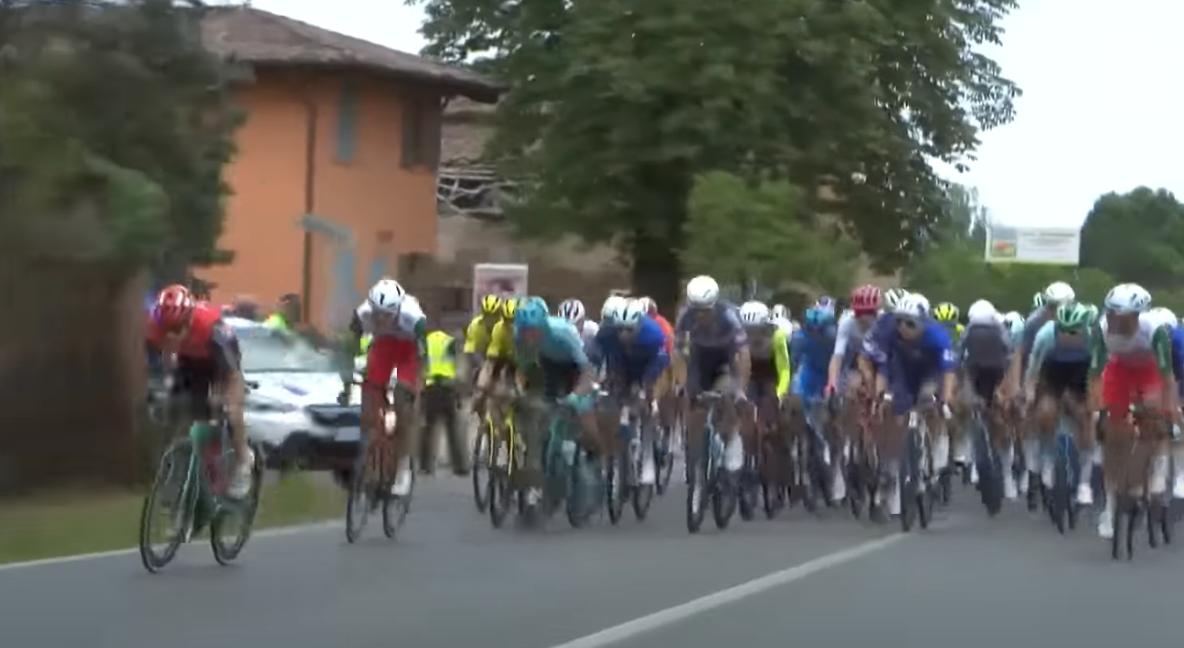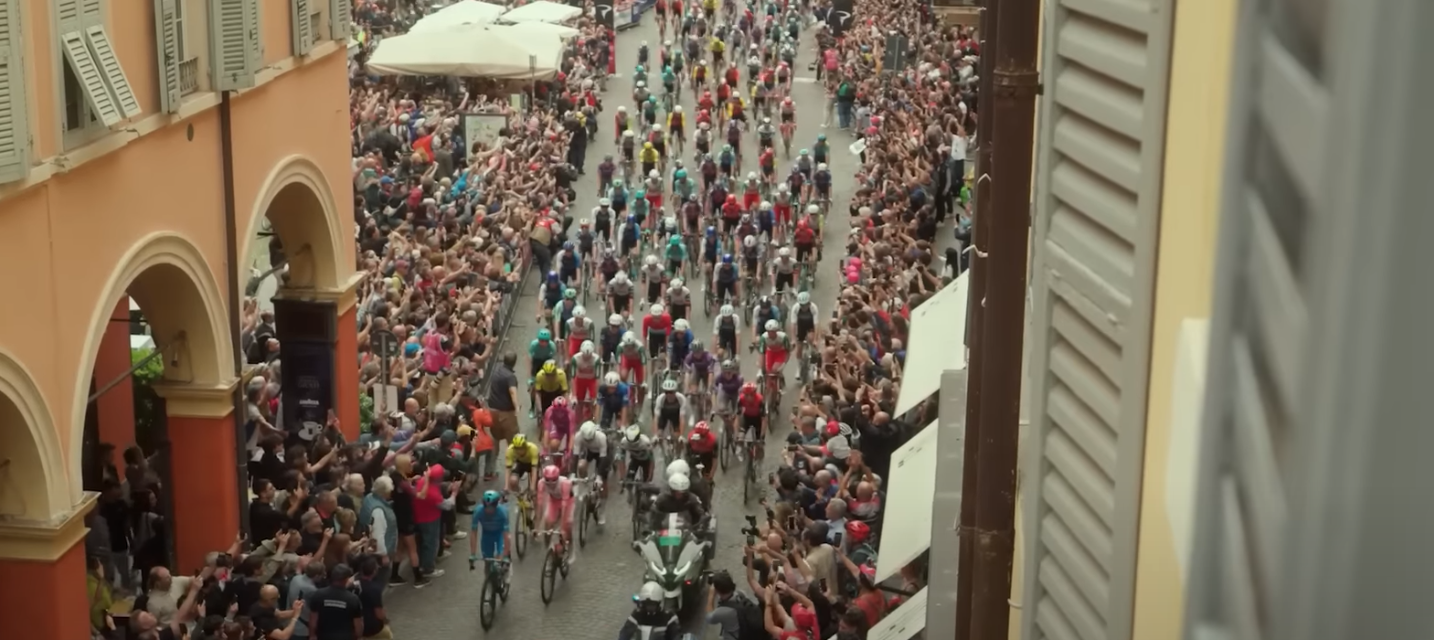








Every year, the Giro d’Italia captivates millions with its dramatic climbs, colorful jerseys, and daily reshuffling of the Giro d’Italia standings. But behind the iconic pink jersey and thrilling sprints lies a massive logistical and technical operation—one that spans hundreds of cities, thousands of staff, and a cutting-edge fusion of technology, strategy, and support. As we look forward to the Giro d’Italia 2025, let’s step behind the curtain and discover the unsung infrastructure that makes this race possible.
1. Moving an Entire Race Across a Country
With 21 stages over three weeks, the Giro covers more than 3,000 kilometers. That means entire convoys—team buses, mechanics’ trucks, hospitality vehicles, and official race cars—must move daily. For each stage:
- 🚛 Dozens of trucks transport bikes, tools, tents, barriers, and banners
- 🚌 Team buses are equipped with showers, kitchens, and tactical zones
- 📦 Supply vehicles carry food, drinks, supplements, and spare parts
The logistics team coordinates with city governments, police, and race marshals to ensure safe road closures, crowd control, and barrier placements. Each day’s start and finish are transformed into temporary event villages—with sponsor zones, VIP tents, and media platforms—only to be dismantled hours later and reassembled in a new location the next morning.
2. Technical Support and the Mechanics’ Role
Mechanics are the backbone of every team’s race performance. Long before the riders take the start line, team mechanics have:
- Tuned derailleurs and drivetrains for optimal shifting
- Inflated tires to precise pressures based on temperature and terrain
- Loaded spare bikes and wheels into support cars
Each rider often has two bikes per day, plus spares. On wet or mountainous stages, mechanics make last-minute adjustments like disc brake changes or gearing alterations for steep gradients. During the race, they ride in the second team car, ready to jump out and swap wheels or bikes in seconds.
3. Nutrition, Cooking, and Recovery
To fuel a rider through three weeks of racing, teams must provide up to 6,000 calories per day per rider. That requires:
- 🍝 Team chefs who prepare meals tailored to each rider’s needs
- 🚚 Mobile kitchens inside team trucks or buses
- 🥤 Recovery protocols including protein shakes, rice cakes, and hydration formulas
Riders eat up to six times a day—including on the bike. Nutritionists plan macronutrient intake stage-by-stage, adjusting for elevation, effort, and weather. This behind-the-scenes work helps determine who stays strong deep into week three—and who fades from the Giro d’Italia standings.
4. Data Analytics and Race Radios
Modern cycling is as much a data sport as a physical one. Each rider wears sensors that track:
- 🚴 Power output (watts)
- ❤️ Heart rate and cadence
- 📡 GPS position and speed
This data is fed to team performance directors in the car. Coaches analyze real-time telemetry to adjust pacing strategy, tell riders when to attack, and warn of dangerous crosswinds or breakaways. In recent editions of the Giro, tactical decisions driven by data have directly impacted the Giro d’Italia standings.
Race radios also allow DS (Directeurs Sportifs) to communicate with riders mid-stage, providing updates on time gaps, hazards, or feeding zones. It's a high-tech battlefield where seconds matter.
5. Medical Support and Rider Health
Crashes, illness, and fatigue are inevitable in a Grand Tour. Each team brings a medical staff including:
- 🩺 Sports doctors and physiotherapists
- 🧊 Massage therapists for post-stage recovery
- 🧪 COVID and infection testing crews
At the end of each stage, riders undergo treatments—ice baths, massages, injury assessments—to prepare for the next day. Medical teams are trained to make quick decisions: pull a rider, tape a sprain, or adjust medication, all while keeping the team in the race.
6. The Role of the Support Car
Each team has two cars in the race convoy. The first stays close to the main peloton and can deliver food, clothing, or technical support. The second car follows behind breakaways or dropped riders.
Inside the car, you'll find:
- 🎧 Two-way radios
- 📋 Tactical notebooks
- 🔧 Spare wheels, bikes, and tools
The DS navigates traffic, times efforts, and coordinates with neutral support if team cars are blocked. The decisions made here can change the course of the race—and the final Giro d’Italia standings.
7. Coordination with RCS Sport and the Race Organizers
RCS Sport, the organizer of the Giro, manages over 1,000 staff including media, logistics, timing systems, TV crews, and neutral support. Their responsibilities include:
- ⏱️ Official timing systems and photo-finish technology
- 🎥 Global broadcasting to 180+ countries
- 📶 GPS trackers for each rider, vehicle, and moto
Their coordination ensures the race runs like clockwork—from caravan timing to real-time standings updates. Without them, the entire Giro d’Italia would grind to a halt.
8. Fan Experience and Digital Engagement
Beyond the race itself, a vast digital infrastructure supports fan engagement. Social media teams, drone cameras, and data dashboards bring the race to global audiences. In 2025, expect features like:
- 📱 Live rider telemetry during mountain stages
- 🌍 AR overlays for elevation and rider speed
- 📊 Live standings dashboards with GC and stage metrics
Technology not only helps riders—it enhances how fans interpret and follow the Giro d’Italia standings.
Final Thoughts: The Invisible Engine of the Giro
While the spotlight shines on the pink jersey, it's the mechanics, nutritionists, coaches, logisticians, and data analysts who keep the Giro d’Italia moving. Their work doesn’t make headlines—but it determines who makes history.
As the Giro d’Italia 2025 unfolds, take a moment to appreciate the teams behind the teams. Because without their precision, coordination, and passion, the mountains would remain unclimbed, the stages unwon, and the Giro d’Italia standings forever blank.