






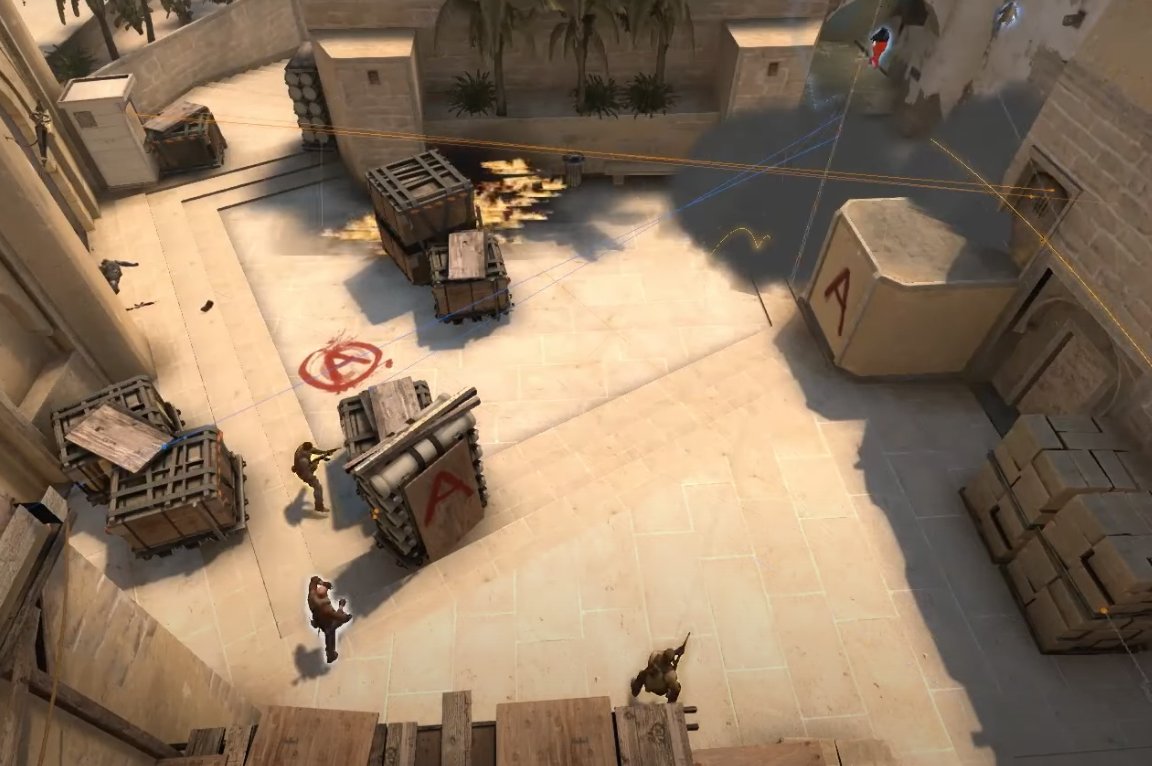
Mirage stands as one of the most iconic and enduring maps in Counter-Strike history. From amateur matchmaking to grand finals at Majors, Mirage has seen it all. Its balanced layout, mid-centric control, and endless replayability make it a core component of competitive CS2—and a valuable playground for informed cs2 mirage betting. With the right insights, players and bettors alike can navigate Mirage’s rhythms and leverage map-specific patterns to track cs2 mirage odds in real time.
Historical Context and Legacy
Mirage was originally designed by Michael “BubkeZ” Hull and made its debut in Counter-Strike 1.6 as a custom map, eventually becoming an official staple due to its competitive clarity and intuitive layout. Unlike maps that have cycled in and out of the Active Duty pool—like Cache, Train, or Cobblestone—Mirage has remained a consistent battleground through multiple iterations of the game, including CS:GO and now CS2. Its stability speaks volumes about its fundamental design quality, offering near-perfect balance between tactical flexibility and mechanical execution.
Across CS versions, Mirage has undergone only minimal changes—minor lighting tweaks, visibility adjustments, and subtle texture improvements. Its core gameplay philosophy has stayed intact for over a decade. This level of consistency has made Mirage not just familiar but also highly refined. Teams can develop long-term defaults, fans can recognize setups instantly, and those involved in cs2 mirage betting benefit from an abundance of historical data to guide smarter predictions.
Because Mirage is such a well-documented and frequently played map, bettors enjoy access to deeply detailed analytics: site hit percentages, round win probabilities by side, pistol round impact rates, and even player-specific heatmaps. This transparency provides a strategic edge to anyone serious about cs2 match betting. Bettors can compare current team performance to legacy stats, monitor form trends, and capitalize on momentary mispricing within cs2 odd lines that shift during matches or series involving Mirage.
For this reason, Mirage remains a cornerstone map for sharp bettors. Teams generally reveal their Mirage form early in a tournament, making it easier to track tactical evolution and assess how well-prepared their opponents are. Whether betting on full-match outcomes or map-specific props, Mirage offers predictability without being stale—a rare and valuable combination for those engaging in long-term cs2 mirage betting strategy.
Mirage Performance Stats and Win Rate Breakdown
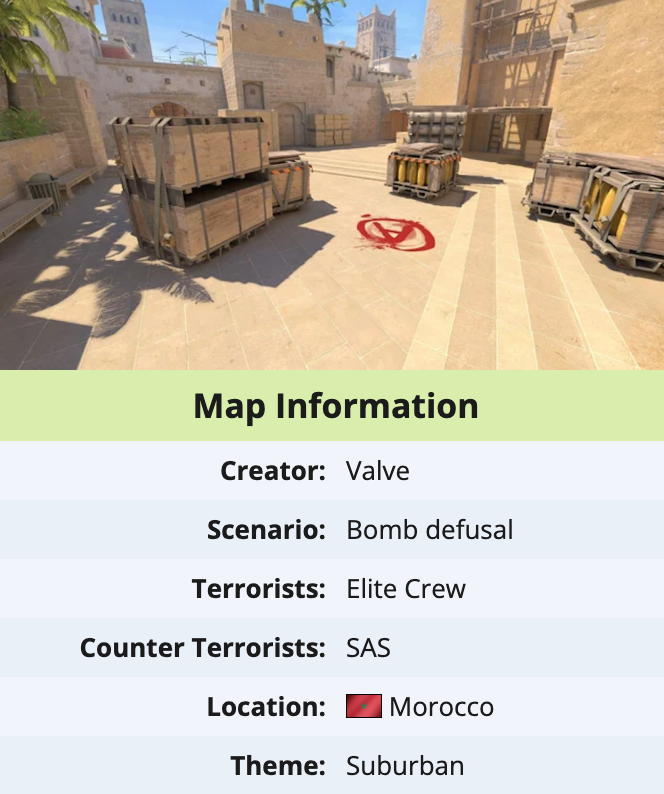
Mirage is one of the most statistically consistent maps in CS2, offering a near-balanced environment that supports a wide range of tactical playstyles. According to professional match data from the last quarter:
- CT Side Win Rate: ~53.2%
- T Side Win Rate: ~46.8%
- Average Round Duration: ~1:08
- Most Contested Zone: Top Mid & Connector
- Pistol Round Conversion Rate: 58% (CT), 42% (T)
This relatively close CT/T win rate split shows that Mirage allows for dynamic momentum shifts. While CTs typically gain early-round control through utility and positioning, Terrorist sides with strong coordination and mid-control utility can reverse tides quickly. This volatility creates valuable entry points for cs2 mirage betting, particularly in live markets where early rounds don't always reflect final outcomes.
Top Mid and Connector remain the most tactically contested areas on Mirage. Winning control over mid allows Terrorists to split either bombsite and reduces defensive mobility for CTs. Bettors should look closely at teams’ success rates in mid-duels and their use of AWPers in Window or Connector positions. When teams dominate mid early—especially with AWP support—they’re far more likely to convert rounds. These details can shift live cs2 mirage odds in real time.
Additionally, pistol rounds carry disproportionate weight on Mirage. Teams that consistently win pistol rounds not only set the economic pace but often take early map control momentum. Bettors analyzing pistol conversion rates and subsequent anti-eco effectiveness can better anticipate the flow of early rounds and capitalize on short-term betting props such as “First to 5 Rounds” or “Next Round Winner” bets on top cs2 betting sites.
Pro Teams and Mirage Trends
| Team | Mirage Win Rate (Last 3 Months) | Preferred Side |
|---|---|---|
| G2 Esports | 64% | CT |
| NAVI | 61% | T |
| Virtus.pro | 59% | CT |
| FaZe Clan | 57% | CT |
These win rates reflect how different teams approach Mirage based on roster strengths. G2’s preference for CT-side starts aligns with their strong anchor play and AWP mid-lockdowns. NAVI, on the other hand, thrives on T-side due to their flexible default setups and world-class lurkers. Virtus.pro’s structured playstyle fits Mirage’s demand for timing-heavy executions, especially when controlling top mid and catwalk.
For those involved in cs2 mirage betting, understanding these nuances is essential. By analyzing team-specific win conditions—like whether a team performs better when starting CT or relies heavily on mid control—bettors can make smarter wagers both pre-match and live. Especially when Mirage is the decider map in a best-of-three series, identifying which side a team starts on and how they’ve historically performed is critical for estimating expected value within cs2 betting odds.
Visual Identity and Layout Readability
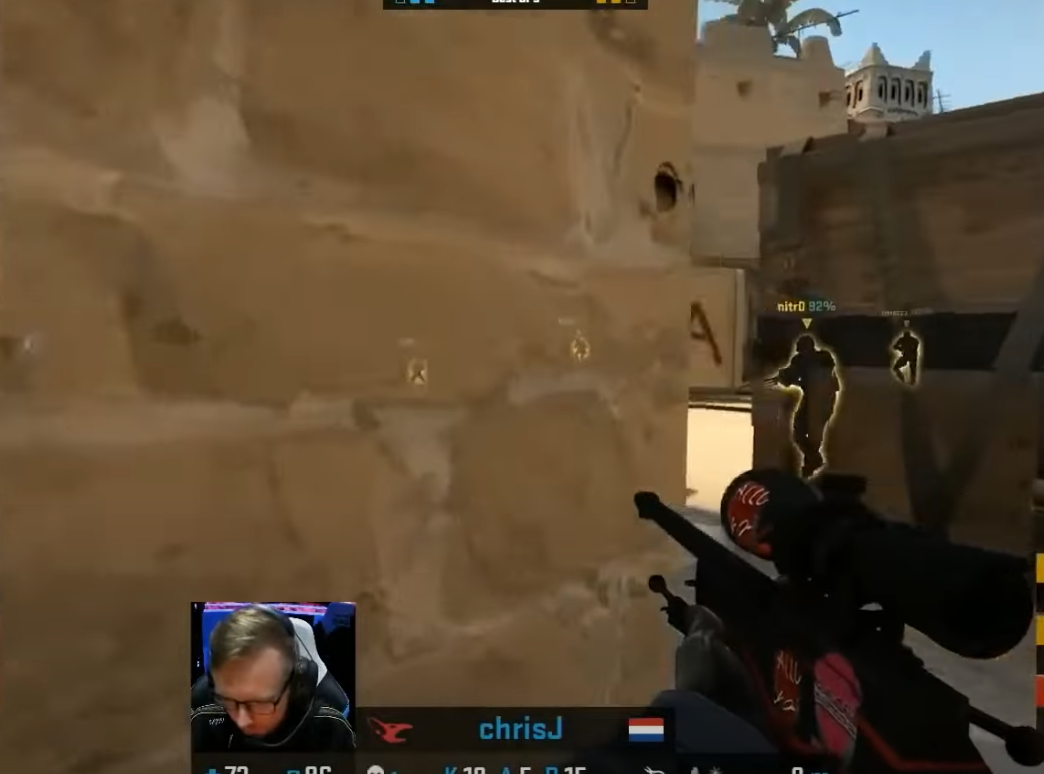
Mirage in CS2 retains its Middle Eastern aesthetic while benefiting from Source 2 improvements: softer lighting, less visual clutter, and better texture fidelity. These changes improve readability—especially in smoke or flash-heavy exchanges. Clean callouts like Jungle, Triple, and Van remain tactically important and are easily recognized by casual and competitive viewers alike.
This visual clarity contributes to Mirage’s value in cs2 betting. It’s easier for bettors to follow team setups, track mid control fights, and anticipate site hits—especially during live markets where visual feedback drives betting confidence on platforms like the best cs2 betting sites.
Psychological Dynamics and Fake Potential
One of Mirage’s most underestimated qualities is its capacity for psychological pressure. Because the map is so well-known, every movement or sound cue can lead opponents to false assumptions. Teams frequently use this to their advantage—throwing decoy grenades at A ramp while quietly executing a B apartments contact play, or running mid presence early to force over-rotations. These scenarios increase the value of player discipline and communication, which bettors engaged in cs2 mirage betting should monitor closely.
Clutch success on Mirage is also influenced by mental momentum. With both bombsites having multiple retake entry points, the pressure on solo anchors or lurkers is immense. A well-timed fake can force rotations and leave bombsites vulnerable. Smart bettors often analyze teams’ round-history patterns and clutch win percentages to identify when shifts in cs2 mirage odds might not reflect the actual in-game pressure dynamics.
Economic Strategy and Momentum Swings
Mirage rewards teams that manage their economy efficiently, particularly on the CT side. Because B site is so difficult to retake, many teams opt to save weapons instead of attempting a 2v4 retake—preserving rifles and utility for future rounds. This creates betting opportunities based on economic reads. For example, bettors who anticipate a save in Round 12 can predict a stronger buy in Round 13 and adjust their bets accordingly on cs2 betting sites.
Force buys are common after lost pistols, especially for teams that favor Deagle stacks around B. These low-buy rounds are high-risk, high-reward, and can be pivotal in Mirage’s flow. Watching how teams stack bombsites, use mid control on low money, and coordinate eco rushes allows cs2 mirage betting enthusiasts to capitalize on unexpected round swings that disrupt cs2 odd expectations.
Impact in Tier-1 Tournaments
Mirage continues to play a central role in elite esports, often appearing in playoff matches and deciding maps at events like IEM Katowice, ESL Pro League, and BLAST Premier. Its presence in best-of-three series is common due to its perceived neutrality—teams rarely permaban Mirage, leading to high pick and decider rates. This predictability makes it a strategic anchor for bettors analyzing team map pools in cs2 match betting.
Star players frequently deliver highlight moments on Mirage. AWPers dominate from Window, riflers anchor from Ticket or Van, and clutch legends take control of Palace and Connector in tight moments. Bettors tracking individual player heatmaps and Mirage-specific K/D ratios can gain an edge by correlating map performance with high-value props or live rounds—especially when cs2 mirage odds haven’t yet adjusted to individual momentum swings.
Betting Smart on Mirage
Mirage is not just a classic—it’s a constant. With its structured layout, defined utility meta, and decades of tactical evolution, it rewards deep study and sharp prediction. Bettors who track team defaults, AWP impact in mid, and CT-side setups can unlock powerful betting angles in both pre-match and live formats.
From understanding Mirage veto preferences to reading early-round utility usage, cs2 mirage betting is a refined art backed by data. Combine performance stats, team behavior, and cs2 mirage odds tracking to outsmart the market and stay ahead in CS2’s most iconic arena.