








Although I published this article two days after Japan’s victory over Brazil, I believe I might understand the Japanese team better. This was actually something I wanted to update on the 15th, but I got caught up playing the new game Monopoly Big Baller and forgot to share my thoughts on this historic moment.
Japan’s football dream begins with a single manga: Captain Tsubasa. (キャプテン翼)
キャプテン翼 ENG Captain Tsubasa
In the Shōwa era, Japanese football was still a niche sport, overshadowed by baseball and sumo. The release of the manga Captain Tsubasa in the early 1980s changed that completely. The story, with its dramatic matches and iconic characters like Tsubasa Ōzora, inspired an entire generation of children to start playing football.
Schools and local clubs saw a surge in young players, many of whom later became professionals and even represented Japan on the international stage. The manga not only popularized football domestically but also gave the sport a new identity in Japan—full of passion, creativity, and ambition.
For many fans and players alike, Japan’s football dream was born on those manga pages, and its influence can still be felt in the country’s football culture today.
The Showa-Era Fantasy
In 1981, Captain Tsubasa debuted. At that time, Japanese football was far from world-class, and qualifying for a World Cup felt like an impossible dream. Yet in the manga’s Jr. Youth World Cup Final, Japan defeated Brazil 3–2 after extra time.
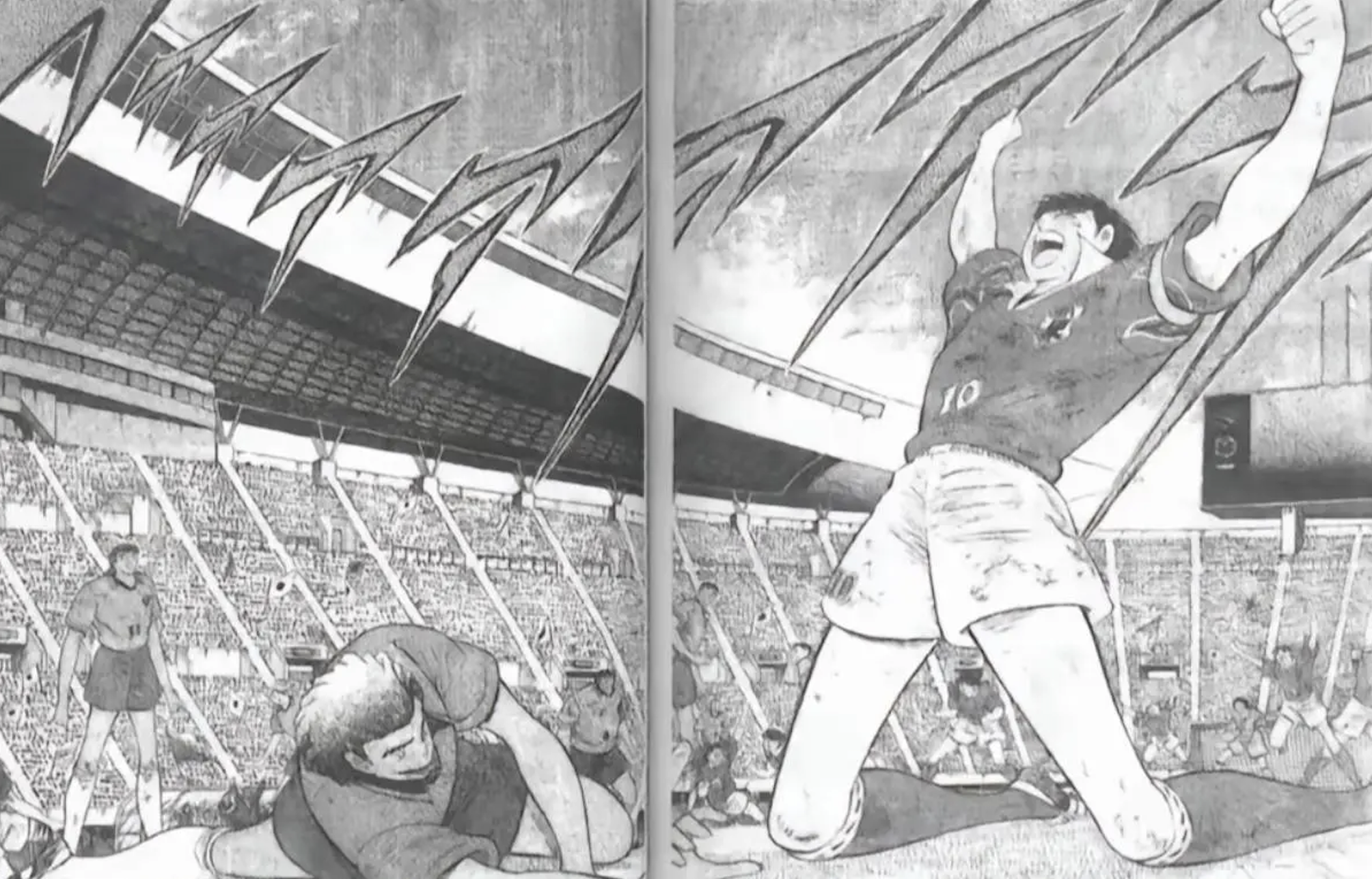
It wasn’t just a fictional match. It planted a seed of belief in millions of readers:
“One day, Japan will really beat Brazil on the pitch.”
Japan vs Brazil: From Fiction to Real Battles
In the past two days, many articles have described Brazil vs. Japan as the fulfillment of a “30–year dream.” But if you know Captain Tsubasa, you’ll realize it’s actually a 44–year dream—stretching all the way from 1981, when the manga first appeared, to 2025, when Japan made this historic breakthrough.
| Year | Competition | Score | Notes |
|---|---|---|---|
| 1995 | Confederations Cup Final | Brazil 3–0 Japan | Brazil dominant win |
| 2001 | Confederations Cup | Brazil 2–0 Japan | Group-stage meeting |
| 2005 | Confederations Cup | Japan 2–2 Brazil | A proud draw for Japan |
| 2006 | World Cup (Group Stage) | Brazil 4–1 Japan | WC group match |
| 2014 | Friendly | Brazil 4–0 Japan | Neymar scored multiple |
| 2017 | Friendly | Brazil 3–1 Japan | International friendly |
| 2022 | Friendly | Brazil 1–0 Japan | Narrow loss for Japan |
Time and time again, the dream seemed too far away. Every defeat reminded fans that the fantasy of 1981 was still just that—fantasy.
Kirin Challenge Cup Kicks Off at Tokyo’s Ajinomoto Stadium
On the 13th, Japan’s head coach Hajime Moriyasu spoke ahead of the friendly match against Brazil in Tokyo. He expressed his hope of breaking the team’s long-standing fate of never having beaten the Seleção.
Japan had faced Brazil 13 times before without a single victory, recording 2 draws and 11 losses, including a heavy 1–4 defeat in the 2006 World Cup group stage. To make matters more difficult, Brazil came into the match in great form, having just crushed South Korea 5–0 the week prior, while Japan could not field their strongest lineup. Key midfielders Kaoru Mitoma of Brighton and Wataru Endo of Liverpool were both unavailable.
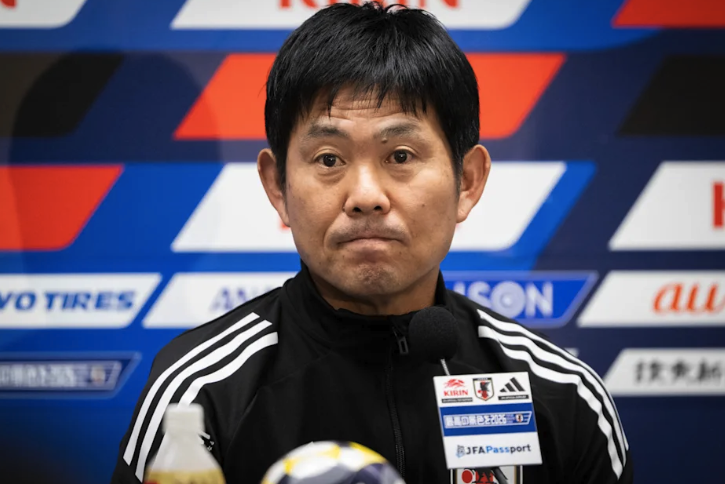
Despite these challenges, Moriyasu remained determined:
“We want to win, to grow as a team, and to give everything we have to face this test.”
Clearly, he did not see this as just a friendly.
“Brazil is one of the top teams in the world, and we have the utmost respect for them. But we also have players who are developing in Europe and gaining valuable experience there.”
From Captain Tsubasa to Reality: Japan Finally Beats Brazil 3-2
On October 14, under the floodlights of Tokyo’s Ajinomoto Stadium, history took shape before our eyes. The international friendly known as the “Kirin Challenge Cup” became something far greater—a night where Japan, ranked 19th in the world, toppled sixth-ranked Brazil 3–2 in a breathtaking comeback. For the first time in 14 encounters, the Samurai Blue defeated the five-time world champions, and in that moment, a dream carried for generations was finally realized.
At halftime, it looked like a familiar story. Brazil, masters of flair and precision, led 2–0, dazzling the crowd with attacks worthy of their reputation as the “football kingdom.” Japan stood on the brink of another honorable defeat, weighed down by history and the gulf in pedigree. But instead of surrendering, they chose to rise.
The second half unfolded like the turning of fate itself. Takumi Minamino ignited the fightback with a crucial strike, and suddenly the rhythm shifted. Every pass, every tackle carried belief. Then came the moment that would echo in Japanese football forever—Ayase Ueda, the striker who had long insisted that his own performance was inseparable from the team’s destiny, sensed the tide changing.
By the 71st minute, Junya Itō swung in a dangerous cross. Ueda met it with a powerful header, only to see it crash against the crossbar. Gasps filled the stadium—but destiny rarely grants miracles without struggle. Moments later, from the ensuing corner, Itō delivered again. Ueda surged forward, rose above Brazil’s defenders, and thundered the ball into the net. This time, the roar was uncontainable. Japan had not only equalized, they had seized the night.
“Scoring such a meaningful goal makes me incredibly happy,” Ueda reflected afterward, his words brimming with quiet pride. “Every one of us, myself included, is still growing. Now we are at a point where we can aim for the World Cup itself.”
Tokyo’s Ajinomoto Stadium
The match was fought with fire. Ritsu Dōan’s fearless sliding tackle—earning him a yellow card—symbolized Japan’s refusal to treat the contest as a mere friendly. Every clash, every desperate clearance, every final sprint spoke of a team that believed destiny could be bent by willpower.
And then, when the final whistle blew, the old story was broken. Japan’s record against Brazil was rewritten: 1 win, 2 draws, 11 defeats. Yet the numbers could never capture what the night truly meant. This was not just a victory—it was the culmination of a dream born in 1981 with the first chapter of Captain Tsubasa, carried through decades by countless children who chased a ball with hope in their hearts, and now fulfilled on the grand stage of 2025.
It was proof that Japan’s football journey, once imagined in manga panels, had crossed fully into reality.
From 1981 to 2025—from the ink of dreams to the grass of Ajinomoto Stadium—this was 44 years of belief, struggle, and hope, crystallized into a single night of destiny.
Finally, let’s listen to the theme song once more and relive this legendary moment.
This is also the kind of captivating moment that makes sports — whether Sports betting or esports betting — so magical. You never know when someone might create a miracle in the very next second, pushing the sports odds of the game to extraordinary heights