






The Giro d’Italia is not just a race—it's a testament to endurance, tradition, and national pride. As one of cycling’s three Grand Tours, alongside the Tour de France and Vuelta a España, the Giro has shaped the world of professional road racing since its inception. From the dusty roads of 1909 to the high-tech precision of the Giro d’Italia 2025, the race has become a symbol of heroism, innovation, and sheer willpower. In this article, we take you on a journey through the century-long history of this epic competition, highlighting how the giro d’italia standings came to represent more than just rankings—they reflect legacy and greatness.
Origins: The Inception of the Giro d’Italia
The idea for the Giro d’Italia was born in 1908 by the Italian sports newspaper *La Gazzetta dello Sport*. Inspired by the success of the Tour de France, the goal was to create a national race that would promote both the sport and the newspaper. On May 13, 1909, 127 cyclists embarked on a grueling 2,448 km journey from Milan. Only 49 riders crossed the finish line. Luigi Ganna emerged as the first winner of the Giro d’Italia, immortalizing his name in cycling history.
Early Years and Wartime Interruptions
In the early years, the race was marked by long, unpaved routes and minimal support for riders. Despite these challenges, the event grew in popularity. Riders became national heroes, and cities across Italy clamored to host stages. However, both World Wars interrupted the race—1915 to 1918 and again from 1941 to 1945—demonstrating how even the mighty Giro d’Italia could not escape the tide of history.
The Golden Age: Post-War Legends and Rivalries
The post-war era brought a renaissance to the Giro. The late 1940s and 1950s witnessed the rise of two of Italy’s greatest cycling icons: Fausto Coppi and Gino Bartali. Their intense rivalry captivated the nation. Coppi, known for his smooth pedaling and climbing finesse, claimed five Giro victories, while Bartali—already a national hero from the 1930s—added two more post-war titles. These years helped define what the giro d’italia standings would come to mean: a reflection of dominance, character, and tactical brilliance.
Global Expansion: Welcoming the World
While the race initially favored Italian riders, the 1960s saw increased international participation. Jacques Anquetil became the first Frenchman to win in 1960, followed by victories from Eddy Merckx, the Belgian who dominated the Giro with five titles. Merckx, often regarded as the greatest cyclist of all time, was known for his all-terrain skill and relentless competitiveness. The growing diversity in champions highlighted the international prestige the Giro d’Italia was acquiring.
Modernization and Media Influence
By the 1980s and 1990s, technology, television, and corporate sponsorship reshaped the race. Aerodynamic helmets, lighter bikes, and strategic teamwork redefined racing strategies. Riders like Miguel Indurain and Marco Pantani brought flair and controversy. Pantani, with his signature bandana and aggressive climbing, won the 1998 Giro and remains a fan favorite. These years also saw a boom in fan engagement, making the giro d’italia standings a staple of daily sports coverage across Europe.
The 21st Century: Dominance, Doping, and Redemption
The 2000s were marked by both triumphs and scandals. Riders like Gilberto Simoni, Ivan Basso, and Alberto Contador brought home dramatic victories, while doping controversies occasionally marred the sport's image. Yet the race remained resilient. The Giro d’Italia took bold steps to modernize its testing procedures and reestablish credibility. The result? A renewed trust among fans and athletes, and an even more competitive field year after year.
Giro d’Italia Standings: A Legacy Beyond Numbers
More than mere results, the giro d’italia standings have become a living archive of cycling evolution. They chart the rise of young talents, the redemption of former stars, and the unexpected underdogs who claim podium spots against all odds. Through the standings, we trace the legacy of icons and the breakthroughs of future legends. Today, fans analyze these rankings not just for winners, but for insights into team dynamics, strategy, and endurance.
Landmarks and Iconic Stages
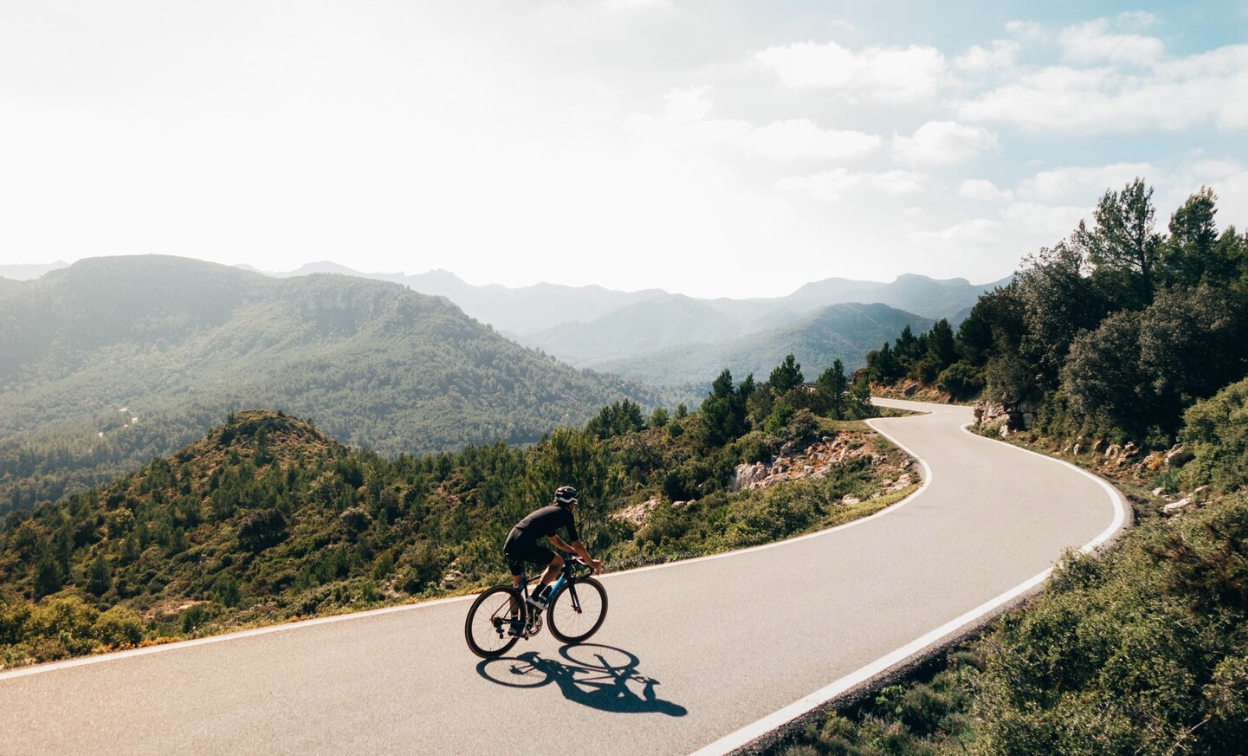
Key to the Giro’s reputation are its dramatic and picturesque stages. The Stelvio Pass, with its dizzying switchbacks and snow-lined summits, has become a battleground for climbers. The Mortirolo, known as one of the most brutal ascents in cycling, has crushed even the strongest legs. These locations aren’t just scenery—they are central characters in the drama of the Giro d’Italia.
Women’s Giro and Expanding Inclusion
The Giro d’Italia isn’t limited to men. The Giro Rosa, now rebranded as the Giro Donne, offers a stage for elite women cyclists. It has grown in prominence and serves as an important step toward gender equality in the sport. Stars like Marianne Vos and Annemiek van Vleuten have brought global attention to the women’s race, adding depth and diversity to the event’s legacy.
The Road to Giro d’Italia 2025
Looking ahead, the Giro d’Italia 2025 promises innovation and excitement. Early teasers suggest a route filled with high-altitude tests, gravel segments, and time trials designed to challenge every rider type. Teams are already preparing meticulously, analyzing data, equipment, and historical performance on similar terrain. The future of the Giro is bright—and fiercely competitive. All eyes will once again turn to the giro d’italia standings to see which names will be etched into history next.
Final Thoughts: Why the Giro d’Italia Endures
So why has the Giro d’Italia endured for more than a century? The answer lies in its perfect blend of tradition and evolution. It respects its roots while embracing change. It’s a race where passion meets discipline, where landscapes tell stories, and where the human spirit is tested. Whether you’re tracking the giro d’italia standings in real time or reliving vintage footage, each edition carries echoes of the past while writing new chapters for the future.
As the Giro d’Italia 2025 approaches, fans worldwide are once again preparing for the ride of a lifetime. History is ready to be made again—one stage, one mountain, one pedal stroke at a time.