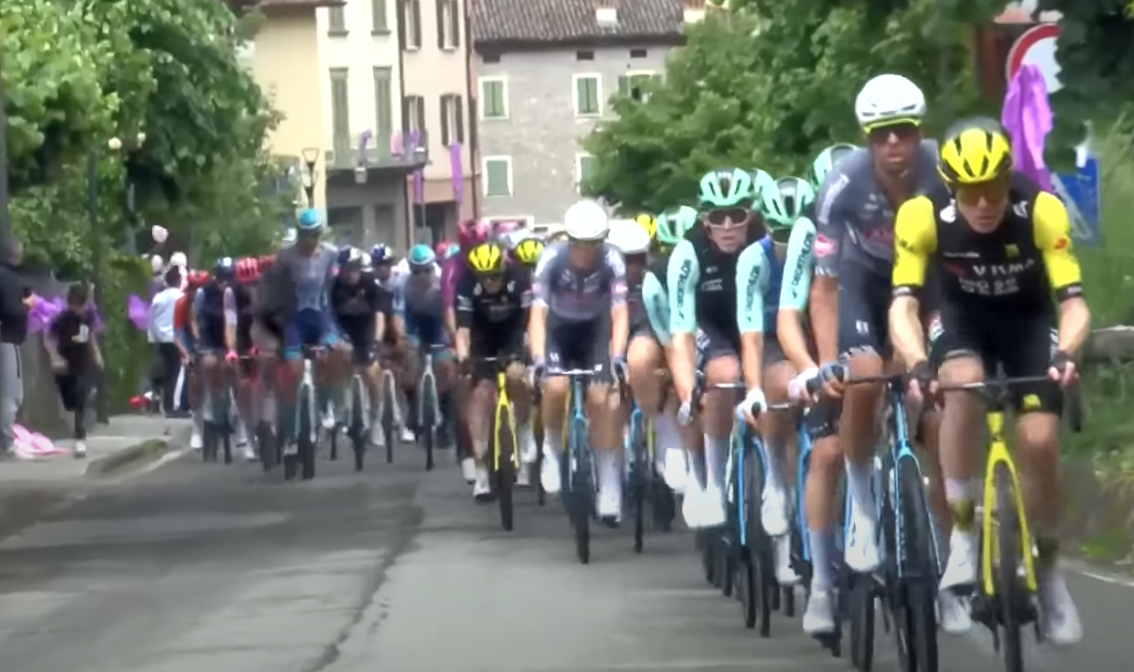







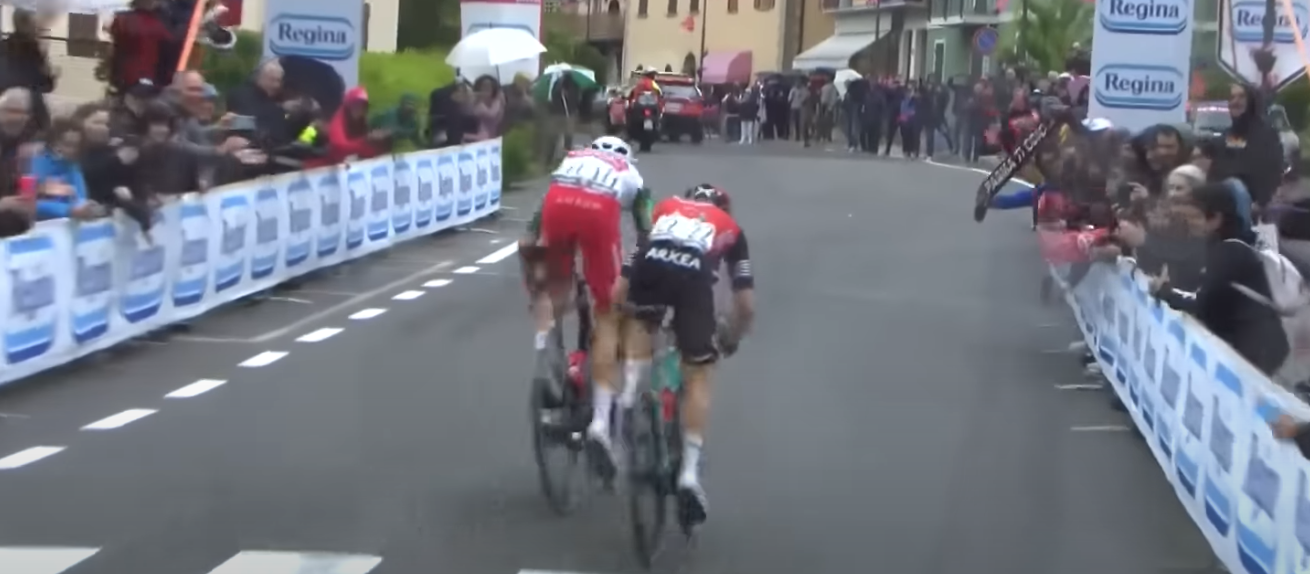
The Giro d’Italia is one of cycling’s most dramatic and demanding Grand Tours—not just because of its brutal terrain, but because of the extreme and unpredictable weather riders face. From icy Alpine descents to scorching southern heatwaves, weather is more than a backdrop in this race—it’s a key player in shaping stage outcomes and influencing the Giro d’Italia standings. As we approach the Giro d’Italia 2025, understanding how rain, wind, and altitude affect riders and teams can offer deeper insight into who survives, who thrives, and who fades.
1. Rain and Wet Roads: The Unseen Threat
Rain is a regular feature in the Giro, particularly during its first two weeks in northern and central Italy. When the roads turn slick, risks multiply:
- 🚴 Increased crash danger, especially in technical descents
- ⚠️ Mechanical failures from water-soaked drivetrains
- 🧊 Hypothermia on long descents, particularly in high-altitude finishes
In wet conditions, riders must balance aggression with caution. For example, a stage that may favor a breakaway in dry weather could turn into a defensive ride under pouring rain. Wet cobblestones or painted road markings can become as slippery as ice. Several editions of the Giro have seen GC favorites crash out due to slick corners or poor visibility in the rain—dramatically altering the Giro d’Italia standings.
2. Crosswinds: The Invisible Divide
On flat or coastal stages, especially in southern Italy or along the Adriatic, crosswinds can fracture the peloton. A well-timed acceleration by a team can form “echelons,” slicing the race apart and creating massive time gaps.
In recent editions, crosswinds have been used as a deliberate tactic by teams like INEOS and Jumbo–Visma to isolate rivals. Riders caught in the back of the peloton may lose minutes—not because they’re weaker, but because they’re positioned poorly when the wind strikes.
- 🌬️ Crosswinds often come with no warning
- 🎯 Strong teams plan for wind-ravaged stages to reshuffle GC
- 📉 Poor positioning = unexpected shifts in Giro d’Italia standings
3. High Altitude Racing: The Oxygen Barrier
Some of the Giro’s most legendary stages take place at extreme elevations—often above 2,000 meters. These include climbs like:
- Passo dello Stelvio – 2,758 m
- Colle dell’Agnello – 2,744 m
- Colle delle Finestre – 2,178 m
At high altitude, oxygen availability drops. This stresses aerobic systems and makes power output harder to maintain. Riders from high-altitude backgrounds or those who have spent time at altitude training camps have a significant advantage.
Altitude can also bring sudden weather shifts. A sunny start can turn into a snowstorm on top of the mountain. In 2014, the Stelvio was nearly canceled mid-stage due to snow and miscommunication, leading to a major GC controversy. Altitude stages are where the Giro d’Italia standings often undergo their most dramatic changes.
4. Snow and Ice: When Winter Refuses to Leave
While the Giro is held in May, snow remains a risk on high passes. Organizers monitor forecasts closely and have, in past years, rerouted stages or neutralized descents due to icy conditions.
In 1988, Andy Hampsten braved a snowstorm on the Gavia Pass to take the pink jersey—an act of bravery that remains legendary. In 2023, a high-altitude finish was replaced mid-race after weather forced officials to abandon safety plans.
Snow creates logistical nightmares and psychological stress for riders. For fans tracking the Giro d’Italia standings, snow days are often unpredictable but decisive.
5. Heatwaves and Hydration Crises
In contrast, southern Italy often delivers punishing heat, especially in stages running through Sicily, Calabria, or Puglia. Temperatures above 35°C (95°F) dehydrate riders, reduce power output, and disrupt nutritional plans.
Modern teams combat heat with pre-cooling techniques (ice vests), increased electrolyte intake, and adjusted pacing. Riders may suffer from heatstroke, cramping, or sudden performance drop-offs in the final hour of a stage—potentially reshaping the Giro d’Italia standings.
6. Fog, Visibility, and Risk Aversion
Mountain stages in the Dolomites or the Apennines often come with fog and low visibility. Fog doesn’t slow the race directly but increases risk. Riders descend slower, take fewer chances, and team cars struggle to communicate or deliver support.
Fog can also impact helicopter footage and fan coverage, making it harder for fans and commentators to follow gaps or attacks. In these conditions, time gains are hard-fought and mentally taxing.
7. Weather and Strategy: Team Decision-Making
Weather doesn’t just impact physiology—it influences tactics. Teams prepare for each day with multiple plans depending on forecasts. Key decisions include:
- ⏱️ Do we attack now or wait for warmer weather?
- 💥 Do we pressure rivals in the crosswinds or protect our leader?
- 🛡️ Should we sacrifice a GC goal for stage safety in bad weather?
In the Giro d’Italia 2025, weather strategy could define stage wins and the pink jersey fight. Expect veteran riders and teams with deep experience to benefit when chaos reigns.
8. Race Neutralization and Route Changes
Extreme conditions sometimes force organizers to alter the stage entirely. This may include:
- 🚫 Canceling mountain summits
- 🔁 Replacing descents with safer alternatives
- ⏸️ Neutralizing GC competition for safety
While such changes may seem anticlimactic, rider safety is paramount. But for GC contenders, these adjustments can either protect a lead—or eliminate a key opportunity to attack. For fans, they bring complexity to interpreting the Giro d’Italia standings.
Final Thoughts: Nature Shapes the Giro
The Giro d’Italia is not just a test of athleticism. It’s a race against nature. From frigid blizzards on alpine passes to crosswind chaos on open plains, weather defines both the rhythm and the narrative of this Grand Tour.
As we await the Giro d’Italia 2025, one thing is certain: riders can plan for terrain, for rivals, and for tactics—but they can’t control the weather. And that’s what makes the Giro so endlessly dramatic, unpredictable, and beautiful.
When you check the Giro d’Italia standings next May, remember—every second gained or lost may have been carved not just by effort, but by rain, wind, and altitude.