






In the world of Counter-Strike, few maps are as strategically challenging and polarizing as Nuke. Whether you're analyzing cs2 nuke betting trends or appreciating the high-level mind games, Nuke represents the pinnacle of tactical mastery. Its multi-level design, tight corridors, and complex rotations make it one of the most fascinating—and difficult—maps in competitive CS2. For anyone diving into cs2 nuke odds, understanding Nuke is essential.
The History and Evolution of Nuke
Nuke made its debut in the original Counter-Strike in 1999 and has been a cornerstone of the competitive map pool ever since. Known for its verticality, narrow choke points, and emphasis on fast rotations, Nuke quickly established itself as one of the most unique battlegrounds in Counter-Strike history. Early versions of Nuke were notoriously CT-sided, often seeing win rates climb above 65% for defenders—a factor that heavily influenced older csgo betting lines and map-specific betting props.
During the CS:GO era, Nuke underwent significant changes. The 2016 overhaul introduced major adjustments: widened doorways, repositioned vents, and retextured outside areas to improve visibility and tactical fairness. These changes didn't just impact gameplay—they also reshaped cs2 esports betting sites models, as analysts recalibrated assumptions around T-side viability and clutch round predictability for cs2 nuke betting.
Today, in CS2, Nuke remains highly strategic but notably more balanced. Improved environmental clarity, smoother movement paths, and updated bombsite access points have given T-sides more legitimate win conditions. This evolution directly affects betting volatility; modern cs2 nuke odds are far less skewed compared to earlier eras. Smart bettors now closely monitor control of outside yard, quick secret wraps, and vent dives when assessing in-play odds through top cs2 bookmakers.
Design Details and Tactical Depth
Nuke's layout forces teams to master multi-layered rotations between upper (A site) and lower (B site) levels, a design that heavily rewards team communication and map awareness. Outside yard plays—with well-executed smokes, deep flashes, and aggressive lurk pressure—define much of the T-side's strategic success. Teams that dominate outside can pivot mid-round decisions and force CTs into awkward rotations, dramatically impacting cs2 nuke betting trends.
Critical techniques such as vent drops after fast outside pressure, wraparounds into heaven, and instant B-splits are common tools for seasoned T-side teams. Watching which squads can consistently convert yard control into site plants is crucial for those active in cs2 esports betting sites markets.
Meanwhile, for CTs, Nuke demands disciplined ramp room holds, well-timed vent dives to reinforce lower site defenses, and perfect timing on lobby crunches. Teams that consistently maintain strong setups across mid and late rounds tend to stabilize outcomes, providing more confidence to bettors focusing on cs2 map betting props and spread markets.
Ultimately, mastery of Nuke isn't about firepower alone—it's about layered teamplay, quick readjustments, and exploiting vertical map dynamics, all of which influence evolving cs2 nuke odds and live betting patterns.
Classic Nuke Battles and Cultural Impact
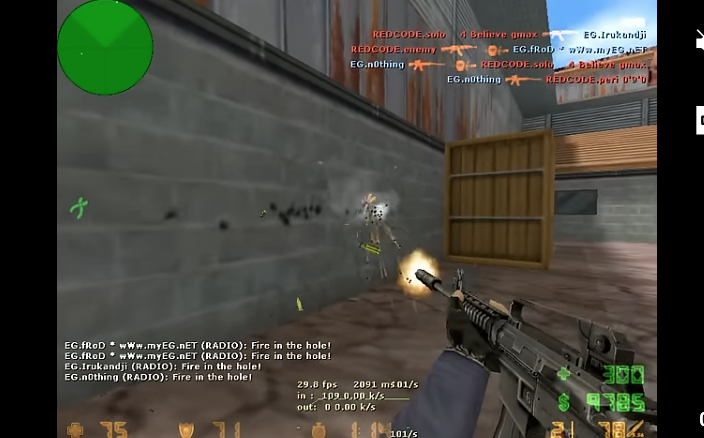
Throughout Counter-Strike history, Nuke has hosted some of the most tactical and emotionally charged battles ever witnessed. Early CS:GO days saw titanic struggles between NiP and VeryGames on Nuke, matches where tiny missteps outside or mistimed vent dives would instantly swing momentum—teaching early bettors harsh lessons in the volatility captured by Nuke-specific cs2 nuke betting.
Perhaps the greatest Nuke domination came during Astralis’ legendary 31-map win streak from 2018 to 2020. Their mastery of outside smokes, vent dives, and multi-layered rotates set a gold standard for how Nuke should be approached professionally. This period saw astronomical CT win rates and record-low entry success for Ts, massively tilting cs2 nuke odds whenever Astralis played Nuke—a trend keenly followed by dedicated cs2 bookmakers.
Meanwhile, memes around Nuke—like players getting stuck in vents, failing to check "heaven" during post-plant scenarios, or losing outside control in 15 seconds—have become a permanent part of CS culture. Yet beneath the memes lies serious strategic depth. Understanding these common pitfalls helps seasoned analysts predict sudden shifts in cs2 nuke betting outcomes, especially when lower-tier teams clash on this highly technical map.
Statistical Snapshot: T-Side vs CT-Side in CS2 Nuke
According to HLTV's 2024 database:
- CT-side Win Rate on Nuke: 53.7%
- T-side Win Rate on Nuke: 46.3%
- Pick Rate in Pro Matches: 18.9%
- Ban Rate in Pro Matches: 22.1%
While Nuke remains slightly CT-favored, it's notably less extreme compared to earlier years where CT sides dominated with over 65% win rates. This improved balance has significantly opened opportunities for smart bettors on cs2 esports betting sites to find value when analyzing T-side strategies and early round control dynamics.
Early outside yard control remains a decisive factor: statistics show that teams securing secret access without casualties win approximately 68% of subsequent rounds. Such a high correlation drastically impacts live betting adjustments, making immediate outside control a major pivot point for cs2 nuke betting markets.
Additionally, T-side conversion rates after successful lower bombsite hits now exceed 60%, up from just 52% two years ago. Aggressive lower takes, especially when combined with fast vent dives or secret wraps, strongly predict round wins and are carefully monitored by analysts tracking esports betting markets and evolving esports odds.
Other key professional data points from 2024 include:
- Average Round Length on Nuke: 1 minute 25 seconds (longer than most maps due to cautious rotations)
- Bomb Plant Success Rate for T-Sides: 49% per half
- Retake Success Rate (CT Side): 34% when retaking B-site
These figures help refine betting strategies for those engaged in cs2 live betting markets, particularly when betting props involve round durations, first bomb plants, or successful site retakes.

Nuke’s Memes and Community Jokes
Nuke has fostered a distinct meme culture within the Counter-Strike community. Whether it's players getting hilariously stuck in vents, teams losing critical rounds because no one watched "heaven," or CTs sneaking lower unseen in classic "Nuke timing" plays, these jokes underscore the chaos inherent in Nuke’s design.
However, savvy bettors recognize that such memes often hint at real strategic flaws. Missed outside smokes, mistimed lobby crunches, and over-aggressive ramp peeks frequently lead to critical losses—patterns that impact live cs2 nuke betting odds mid-match.
Recognizing these common errors and knowing how specific teams historically handle Nuke pressures provides sharp bettors with an advantage when adjusting in-play predictions across major esports betting sites.
How to Approach Playing and Betting on Nuke
For T-sides, precision utility usage is mandatory. A triple-smoke wall to block CT vision outside or coordinated ramp pressure can open up entire halves. Teams that fail to establish yard control early often fall behind economically, weakening their chances and affecting pre-round cs2 gold odds.
Meanwhile, strong CT teams focus on layered defenses: quick vent dives, passive yard holds with reactive smokes, and ramp collapses. Mismanaging these rotations frequently leads to catastrophic site losses, triggering sharp odds movements across live cs2 betting eth platforms.
Betting strategies that incorporate early round indicators—such as success or failure in yard control—often outperform basic match winner predictions, especially when leveraging dynamic spread bets offered on cs2 map betting markets during major tournaments like BLAST Premier and ESL Pro League.
Nuke in Today's Professional Scene
Teams like G2, FaZe, and Vitality have shown particular dominance on Nuke in recent events like IEM Katowice and BLAST Spring. G2’s creative outside lurks, FaZe’s explosive A-site busts, and Vitality’s methodical lower-site control all factor into modern cs2 nuke odds modeling across tournaments.
For those betting on cs2 esports bet markets, understanding these team-specific tendencies can offer major edges—especially during pivotal elimination matches or map deciders where mistakes are magnified under pressure.
Why Nuke Remains a Prime Betting Map
Nuke challenges every aspect of a CS2 team: communication, utility precision, timing, and composure. It remains one of the few maps where one bad rotation can cost entire games—making it fertile ground for informed cs2 nuke betting strategies.
For those who study the nuances, track player tendencies, and stay updated on shifting cs2 nuke odds, Nuke continues to offer some of the richest opportunities across all major esports betting landscapes in 2025 and beyond.