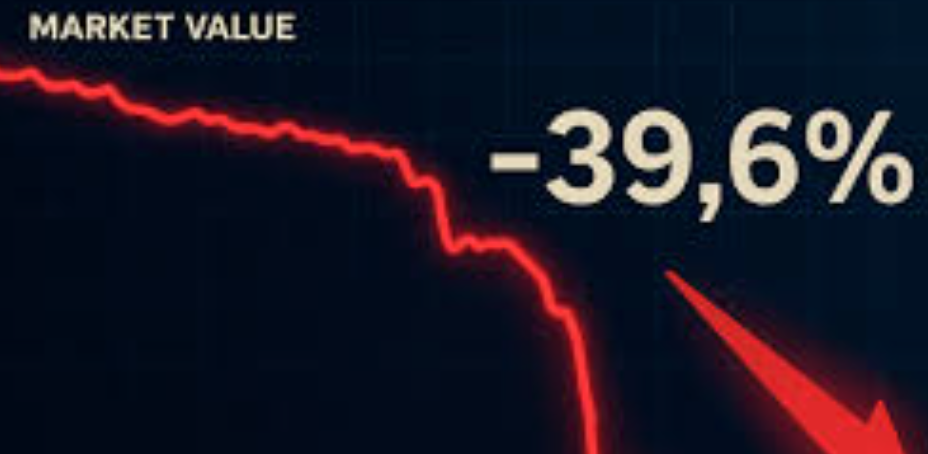








The 2025 collapse of the cs2 skin market didn’t just rattle traders and collectors — it reignited one of gaming’s oldest legal debates: Is cs2 skin betting gambling, investing, or something entirely new? As billions in virtual assets lost value overnight, regulators around the world took notice. Now, for the first time, lawmakers are openly discussing whether this “gray market” needs official oversight — and what that might mean for players.
The Birth of a Legal Gray Zone
Since the early days of Counter-Strike: Global Offensive, skins have served as more than cosmetic collectibles — they became digital currencies. Players traded, sold, and wagered them across unofficial platforms. But because these transactions occurred outside regulated gambling systems, the entire ecosystem operated in a legal gray zone. The arrival of CS2 only deepened this complexity, especially as integration with crypto through cs2 betting eth and decentralized trading blurred the line between gaming and finance.
Before the crash, regulators largely ignored the issue. But the recent collapse, which wiped out hundreds of millions in asset value, has drawn the attention of governments, tax authorities, and consumer protection agencies worldwide.
What Makes CS2 Skin Betting Different?
Unlike traditional esports betting, cs2 skin betting relies on virtual goods that have no inherent monetary value — at least according to Valve’s terms of service. However, secondary markets have turned these digital items into de facto currencies, often exchanged for real-world money or cryptocurrency. This duality — “worthless” in-game, but valuable externally — creates legal ambiguity.
The cs2 skin odds that determine drop chances or betting probabilities are not governed by any licensed gaming commission. This means billions of dollars move through a system with no standardized auditing, transparency, or consumer protection — an unthinkable scenario in traditional finance.
Legal Definitions Struggle to Keep Up
Under most gambling laws, wagering involves three elements: consideration (something of value), chance, and prize. CS2 skin trading and betting often meet all three criteria — but with a twist. Because skins are technically digital collectibles, operators can claim they’re not facilitating gambling, just “games of entertainment.”
This loophole has allowed many cs2 esports betting sites to operate without regulation. Yet after the market crash, those same platforms face scrutiny for enabling speculative behavior that mirrors unlicensed gambling.
Regulatory Flashpoints Around the World
Following the 2025 crash, several countries have signaled possible intervention:
- United States: The Federal Trade Commission (FTC) is reportedly investigating whether skin-based betting violates online gambling statutes.
- European Union: The EU Parliament has proposed classifying skin trading under digital asset laws, potentially requiring licensing for platforms similar to cs2 bookmakers.
- Australia & UK: Authorities are examining “loot box” mechanics and their relationship to gambling addiction, expanding the definition to include cs2 skin betting.
If these proposals move forward, CS2’s virtual economy could soon fall under the same regulations as casinos and crypto exchanges.
Financial Impact: Billions in Limbo
Analysts estimate that before the crash, the cs2 skin market was worth over $1.2 billion globally. However, because much of it operated off-chain and off-ledger, most of that wealth remains unaccounted for. When the crash hit, there was no safety net — no insurance, no oversight, no consumer protections.
| Region | Estimated Market Value (Pre-Crash) | Post-Crash Value | Regulatory Response |
|---|---|---|---|
| North America | $380M | $210M | FTC inquiry underway |
| Europe | $420M | $220M | EU regulation proposal pending |
| Asia-Pacific | $310M | $190M | National-level consultations |
The absence of regulation left users with no recourse — a stark contrast to licensed esports betting sites, where financial oversight protects consumer funds.
The Ethics of Unregulated Betting
The ethical question extends beyond legality. Is it fair to allow players — many of them minors — to risk valuable assets in a system with no guaranteed fairness? The cs2 skin odds determining case openings or wagers are opaque, meaning players have no way to verify randomness or fairness.
This opacity contrasts sharply with provably fair technologies used in blockchain gambling or regulated esport betting, where every transaction is verifiable. As a result, calls for greater transparency and player protection have intensified.
Crypto Integration: Solving or Complicating the Problem?
While many see blockchain as the solution, regulators view it as a double-edged sword. Integrations like cs2 betting eth provide transparency but also decentralize risk, making jurisdictional enforcement difficult.
For example, decentralized cs2 map betting platforms now allow anonymous participation, bypassing age restrictions and anti-money-laundering (AML) compliance. This anonymity challenges existing frameworks meant to protect players and ensure ethical gaming standards.
Consumer Protection: The Missing Layer
Traditional gambling systems require licensed operators, audited odds, and transparent payout structures. By contrast, the cs2 skin betting world lacks all three. If a platform collapses or manipulates cs2 skin odds, players have no legal path to reclaim losses.
Even the most reputable cs2 bookmakers operate with varying levels of oversight depending on jurisdiction, leaving users to navigate a patchwork of rules and risks.
The Push for Provably Fair Regulation
Experts argue that the solution isn’t to ban cs2 skin betting, but to regulate it through transparency. Blockchain-based randomness verification, open odds disclosures, and public audit trails could bring the same level of fairness found in modern esports betting systems.
Implementing these standards would not only protect consumers but also legitimize the market — turning what is now a gray zone into a credible digital finance model.
Case Study: The “Dutch Model” for Regulation
In the Netherlands, regulators have taken a unique approach — treating digital items as “pseudo-currencies.” This classification allows them to monitor marketplaces without criminalizing trading. If adopted globally, such models could ensure player protection while preserving economic freedom within the cs2 skin market.
The Role of Valve and Industry Responsibility
Ultimately, Valve holds the key. As the platform owner, it has the authority to introduce transparency mechanisms or restrict third-party integrations that exploit players. So far, Valve’s stance has been reactive rather than proactive — intervening only after scandals or legal pressure.
Many experts believe a collaborative approach with licensed cs2 esports bet platforms could usher in self-regulation before government intervention becomes inevitable.
Public Opinion: A Shift Toward Accountability
Surveys conducted after the crash reveal shifting attitudes. A majority of players — even those who participate in cs2 skin betting — now support some form of regulation. They want fairness, transparency, and recourse against fraud, not a ban.
| Survey Question | Agree (%) | Disagree (%) |
|---|---|---|
| “CS2 skin betting should be regulated like online gambling.” | 64% | 18% |
| “Valve should disclose all drop and odds data.” | 81% | 6% |
| “Crypto integration can make skin trading safer.” | 57% | 24% |
These results suggest the community is ready for reform — provided it preserves player autonomy.
Expert Insights: Legal Scholars Weigh In
Gaming law specialist Dr. Anika Schaefer explains:
“The CS2 crash is a case study in regulatory inevitability. Whenever unregulated markets handle billions in assets, oversight follows — whether by choice or by crisis. If the gaming industry wants freedom, it must also accept responsibility.”
Her analysis echoes calls from the financial sector, where betting on esports and virtual trading are increasingly subject to compliance audits.
Final Thought
The 2025 crash may be remembered as the moment the cs2 skin market lost its innocence — a wake-up call for players, platforms, and policymakers alike. For years, cs2 skin betting thrived in legal ambiguity, balancing between innovation and exploitation. Now, as regulators move closer, the question isn’t if oversight will come — it’s how. With transparency, collaboration, and blockchain verification, the community can transform a gray market into a gold standard for digital fairness — ensuring that the next generation of players wagers not just for profit, but with trust.