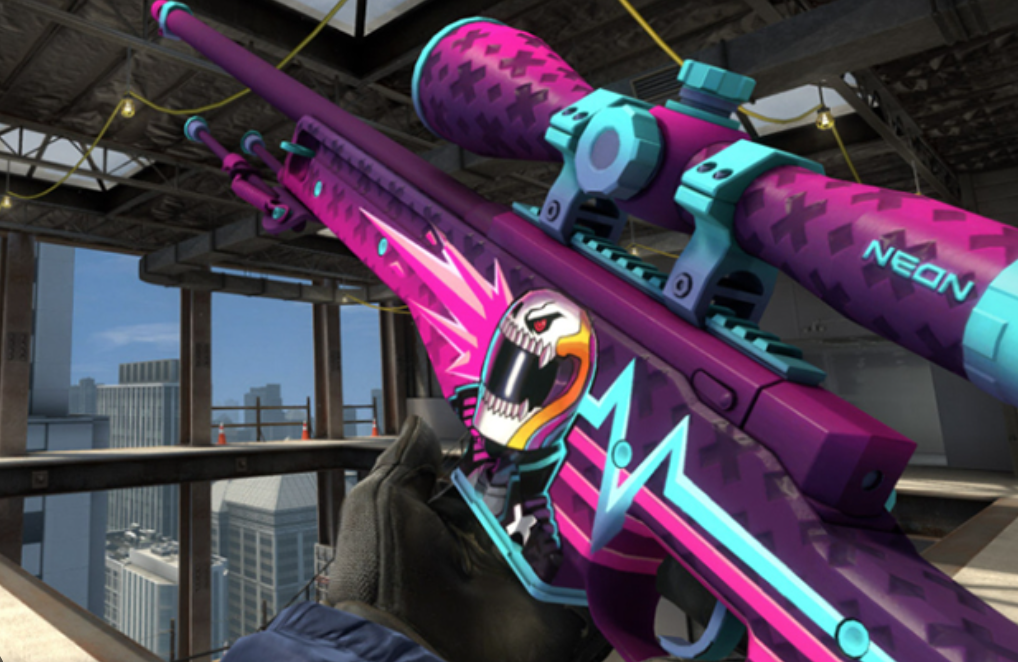







The collapse of the cs2 skin market didn’t just destroy millions in digital value — it exposed something far deeper: the psychology of fear. Players, traders, and even professional cs2 skin betting participants reacted not with logic, but with panic. In a matter of hours, rational decision-making gave way to herd behavior, mirroring classic financial bubbles and stock market crashes.
The Emotional Chain Reaction: From Shock to Fear
When prices on rare items began to fall, the first instinct for many was disbelief. How could digital knives and skins — once worth thousands — lose half their value overnight? But as listings flooded and bots undercut prices, that disbelief turned to fear, then to action. Players rushed to sell, hoping to “get out” before prices dropped further, accelerating the collapse of the cs2 skin market.
Behavioral economists refer to this as a “feedback panic loop.” Once players saw others selling, they interpreted it as a sign of deeper danger — and followed suit. This is the same psychological pattern seen in cryptocurrency flash crashes and global financial crises.
Loss Aversion and the Fear of Regret
Loss aversion — the tendency to fear losses more than valuing equivalent gains — played a massive role. Players who had profited during the market boom were terrified of losing their winnings. Even those not directly involved in cs2 skin betting acted defensively, offloading inventories simply to avoid “feeling dumb later.”
Ironically, this fear of regret ensured their worst fears came true. As more people sold, prices dropped faster, creating a self-fulfilling prophecy.
Confirmation Bias in the CS2 Community
Before the crash, many traders believed that prices could only go up. Influencers, analysts, and even cs2 esports betting sites reinforced that narrative with daily content promoting skin investments. This built a strong confirmation bias — people only paid attention to information that supported their belief in endless growth.
When the collapse began, denial set in. Instead of assessing the new data rationally, traders scrolled through Reddit threads and Discord channels looking for reassurance — not truth. By the time reality hit, it was too late.
The Herd Mentality Effect
The herd effect is one of the most dangerous forces in any economy. When uncertainty rises, individuals mimic group behavior, assuming others “know something.” In CS2, this played out in real time across trading markets, Twitch streams, and social media. The result? A synchronized global sell-off that overwhelmed even the most resilient cs2 bookmakers and skin exchanges.
This is why markets built on collective sentiment — like the cs2 skin odds system — can collapse so quickly. Rational pricing is replaced by emotional contagion, where one player’s fear infects another’s until it spreads across the entire ecosystem.
Anchoring Bias and Unrealistic Expectations
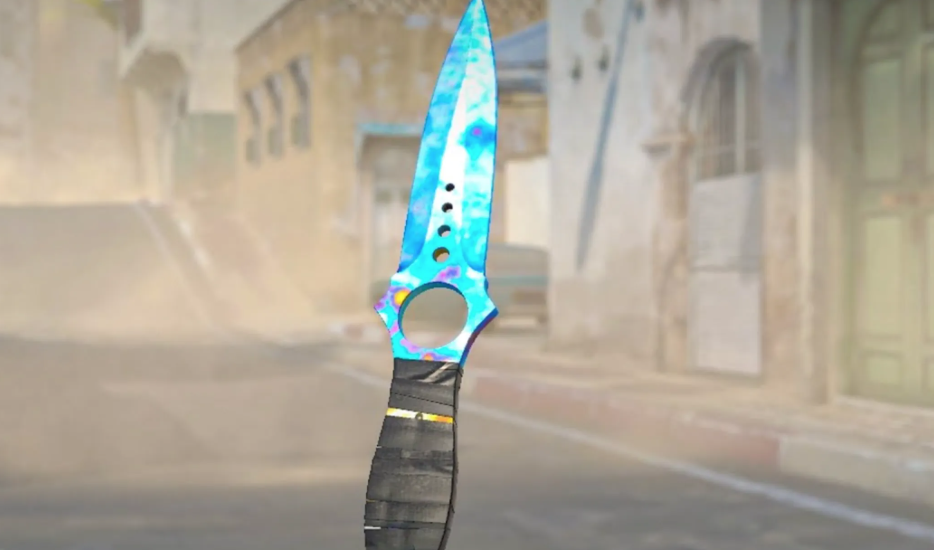
Many collectors anchored their perception of value to peak market prices. For instance, if a Karambit Sapphire once sold for $2,000, anything below that felt “undervalued.” This mental anchor blinded players to real shifts in supply and demand. It also made recovery harder, as sellers refused to accept new market realities.
The same bias was seen in cs2 gold odds and cs2 esports bet pricing models, where bettors ignored updated odds that reflected volatility, instead clinging to outdated benchmarks.
Gambler’s Fallacy in CS2 Skin Betting
During the chaos, some players doubled down — convinced that prices would “bounce back any second.” This gambler’s fallacy — believing a loss streak guarantees a win — is common in both casinos and cs2 skin betting. Unfortunately, it led many to lose even more as prices continued to freefall.
In cs2 live betting environments, similar psychology applies: after a bad round, bettors often chase losses with higher stakes. When applied to markets, that same mentality can amplify crashes and deepen financial ruin.
The Dopamine Cycle: Reward and Withdrawal
Psychologists studying in-game economies have long warned about the dopamine effect. Each case opening, successful flip, or rare drop releases a burst of excitement — reinforcing addictive behavior. When that system suddenly fails, players experience withdrawal similar to gambling loss.
The collapse of the cs2 skin market broke that feedback loop. Instead of euphoria, players faced anxiety and loss. This shift in emotional reward structure explains why forums were filled not just with anger, but with genuine grief.
Data Insight: Behavioral Patterns During the Crash
| Behavior Type | Frequency (Observed Users) | Psychological Trigger | Outcome |
|---|---|---|---|
| Panic Selling | 68% | Loss Aversion | Accelerated Crash |
| Denial/No Action | 21% | Confirmation Bias | Missed Exit Opportunity |
| Doubling Down | 8% | Gambler’s Fallacy | Increased Losses |
| Strategic Holding | 3% | Rational Analysis | Minor Recovery |
These statistics, compiled from trading API activity and csgo betting lines datasets, demonstrate how emotion dominated decision-making during the crisis.
How Betting Platforms Amplified the Panic
Some cs2 esports betting sites indirectly worsened the situation by displaying fluctuating item values and odds in real time. Players saw their virtual wealth evaporating second by second — triggering faster sell-offs. Meanwhile, automated pricing systems tied to cs2 handicaps betting models couldn’t keep up with volatility.
A few innovative platforms, however, slowed the chaos by freezing odds and introducing fixed conversion rates to USD or ETH. This temporary halt helped stabilize user sentiment, much like circuit breakers on real-world stock exchanges.
Lessons from Behavioral Economics
Behavioral economics teaches us that humans are predictably irrational. In the heat of uncertainty, instinct overrides strategy. The cs2 skin odds collapse proved this once again — showing that emotional contagion can devastate even highly liquid digital economies.
To prevent similar crises, analysts propose integrating “cooling-off” mechanisms into cs2 bookmakers and trading systems — time delays that discourage rapid-fire panic selling. Others advocate for transparent valuation ledgers powered by blockchain, similar to provably fair mechanisms in esports betting.
Building Emotional Resilience in Trading
For traders and investors, emotional control is as valuable as technical analysis. Learning from cs2 map betting professionals, who manage risk through disciplined bankroll strategies, could help skin traders avoid impulsive liquidation. Just as bettors track cs2 gold odds with patience, traders must treat digital assets with strategic detachment.
Psychological literacy — understanding biases, emotions, and triggers — should be part of every trader’s toolkit. This isn’t just about saving money; it’s about maintaining mental health in a high-stakes digital economy.
Expert Insights: The Human Side of Digital Collapse
Dr. Elena Varga, a behavioral economist specializing in gaming markets, summarized it best:
“When we talk about the cs2 skin market crash, we’re not just talking about numbers. We’re talking about identity, belonging, and emotional validation. When those things collapse, people don’t just lose money — they lose meaning.”
This human element underscores why virtual economies require not just technical solutions but empathetic ones — community management, transparency, and fair design.
Final Thought
The cs2 skin betting crash was more than a financial event; it was a psychological one. It revealed that fear, greed, and herd instinct drive virtual markets as powerfully as they do Wall Street. But it also highlighted an opportunity: to design better systems that protect players from their own instincts.
Through education, transparency, and responsible integration with technologies like blockchain and esports betting models, the community can transform crisis into growth. The next generation of gamers and investors won’t just be wealthier — they’ll be wiser, too.