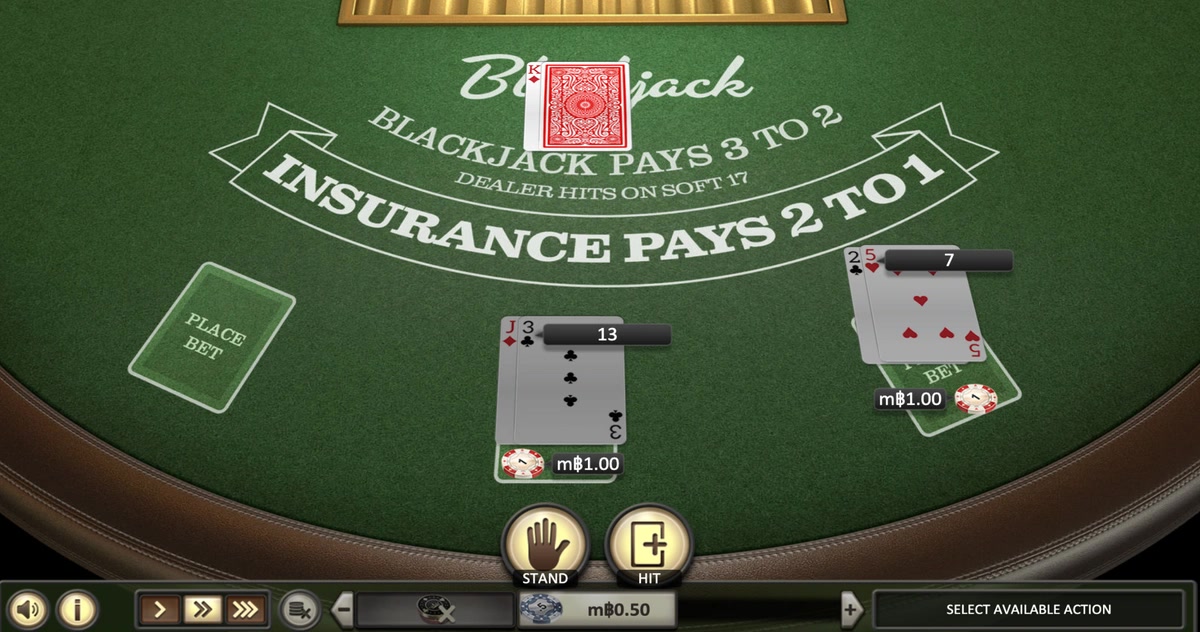









Blackjack, often hailed as one of the most player-friendly casino games, combines elements of strategy, probability, and psychology. The allure of turning a modest bankroll into a substantial fortune, perhaps even a million dollars, is tantalizing. But how realistic is this aspiration? This article delves into the mathematics and strategies behind reaching the elusive million-dollar milestone in blackjack, drawing insights from various discussions and expert analyses.
Understanding the Basics
Before embarking on the journey to a million dollars, it’s essential to grasp the foundational aspects of blackjack:
• House Edge: Blackjack typically offers one of the lowest house edges in the casino, often around 0.5% when using basic strategy. This means that, on average, players lose half a cent per dollar wagered.
• Basic Strategy: Adhering to the mathematically optimal decisions in every possible hand scenario can significantly reduce the house edge. Deviating from this strategy increases the casino’s advantage.
• Bankroll Management: Properly managing your funds is crucial. It involves determining bet sizes, understanding variance, and setting win/loss limits to sustain long-term play.
The Mathematical Journey to a Million
Reaching a million dollars in blackjack isn’t just about winning; it’s about consistently making favorable decisions over a vast number of hands. Here’s a detailed breakdown:
Expected Value (EV) Per Hand
Given a house edge of 0.5%, the expected loss per dollar bet is $0.005. To achieve a million dollars, the player must overcome this edge through skillful play and, to some extent, favorable variance.
Number of Hands Required
Assuming a player bets $10 per hand:
• Expected Loss Per Hand: $10 * 0.005 = $0.05
• Break-Even Point: To make a million dollars without considering losses, a player would need 100,000 hands ($10 * 100,000 = $1,000,000).
However, considering the house edge, the actual number of hands required increases. To counteract the expected losses, the player needs to generate additional wins, which requires a significantly higher number of hands, often in the millions.
Realistic Scenarios
1. Consistent Betting and Basic Strategy:
• Hands Played: Approximately 2,000,000 hands.
• Total Wagered: $20,000,000.
• Expected Loss: $100,000 (0.5% of $20,000,000).
• Net Profit Needed: $1,100,000 to account for losses.
2. Progressive Betting Systems:
• Systems like Martingale or Paroli can amplify winnings but also increase the risk of significant losses. While they might offer quicker paths to large sums, they require substantial bankrolls and come with high volatility.
3. Card Counting:
• Skilled card counters can shift the house edge to their favor, potentially achieving a positive expected value.
• Hands Required: Fewer than in basic strategy scenarios, but still in the hundreds of thousands to millions.
• Challenges: Casinos actively counter card counting through various measures, including shuffling decks more frequently and banning suspected counters.
The Role of Variance and Risk
Variance plays a pivotal role in blackjack outcomes. Even with a positive expected value, short-term results can be wildly unpredictable. Achieving a million dollars requires not only skill but also the ability to withstand prolonged periods of losses.
• Bankroll Requirements: To navigate high variance, a player needs a substantial bankroll. For instance, aiming for a million with a $10 bet requires managing significant fluctuations without depleting funds.
• Risk of Ruin: Without proper bankroll management, the risk of losing everything before reaching the target is high. Strategies to mitigate this include setting strict betting limits and adhering to disciplined play.
Practical Considerations
While the mathematical journey provides a roadmap, real-world factors significantly impact the feasibility of making a million dollars in blackjack:
• Time Commitment: Playing millions of hands demands considerable time, often spanning months or years.
• Casino Limits: Table limits can restrict betting strategies, especially those requiring large bets to capitalize on positive EV situations.
• Psychological Factors: Maintaining focus and emotional stability over extended play is challenging. Fatigue and stress can lead to mistakes, increasing the house edge.
• Casino Countermeasures: Casinos monitor players for advantage play techniques like card counting. Being flagged can result in being barred from play, limiting opportunities to reach the million-dollar goal.
• No Deposit Bonus: Utilizing promotions like no deposit bonuses can provide additional funds to extend playtime without risking personal capital, aiding in the journey towards the million-dollar mark.
Leveraging Modern Opportunities
The rise of Crypto Casino platforms has introduced new dynamics to the blackjack landscape:
• Enhanced Privacy and Security: Crypto transactions offer secure and anonymous betting experiences.
• Global Accessibility: Players from around the world can access crypto gambling platforms, increasing the diversity of strategies and competition.
• Innovative Bonuses: Many crypto casinos offer unique bonuses, including No Deposit Bonuses, which can boost bankrolls without initial deposits.
Conclusion
Turning a million dollars in blackjack is an ambitious endeavor fraught with mathematical and practical challenges. While the game’s favorable odds offer a better chance than many casino counterparts, the sheer number of hands required, coupled with variance and casino defenses, makes the milestone elusive. Success hinges on a blend of impeccable strategy, disciplined bankroll management, and perhaps a bit of luck.
For those aspiring to embark on this journey, it’s crucial to approach blackjack with realistic expectations, understanding both the potential rewards and inherent risks. Whether viewed as a long-term investment or an exhilarating pursuit, blackjack offers a unique blend of skill and chance, making the quest for a million dollars both fascinating and formidable.